About
Listening is a way of remembering.
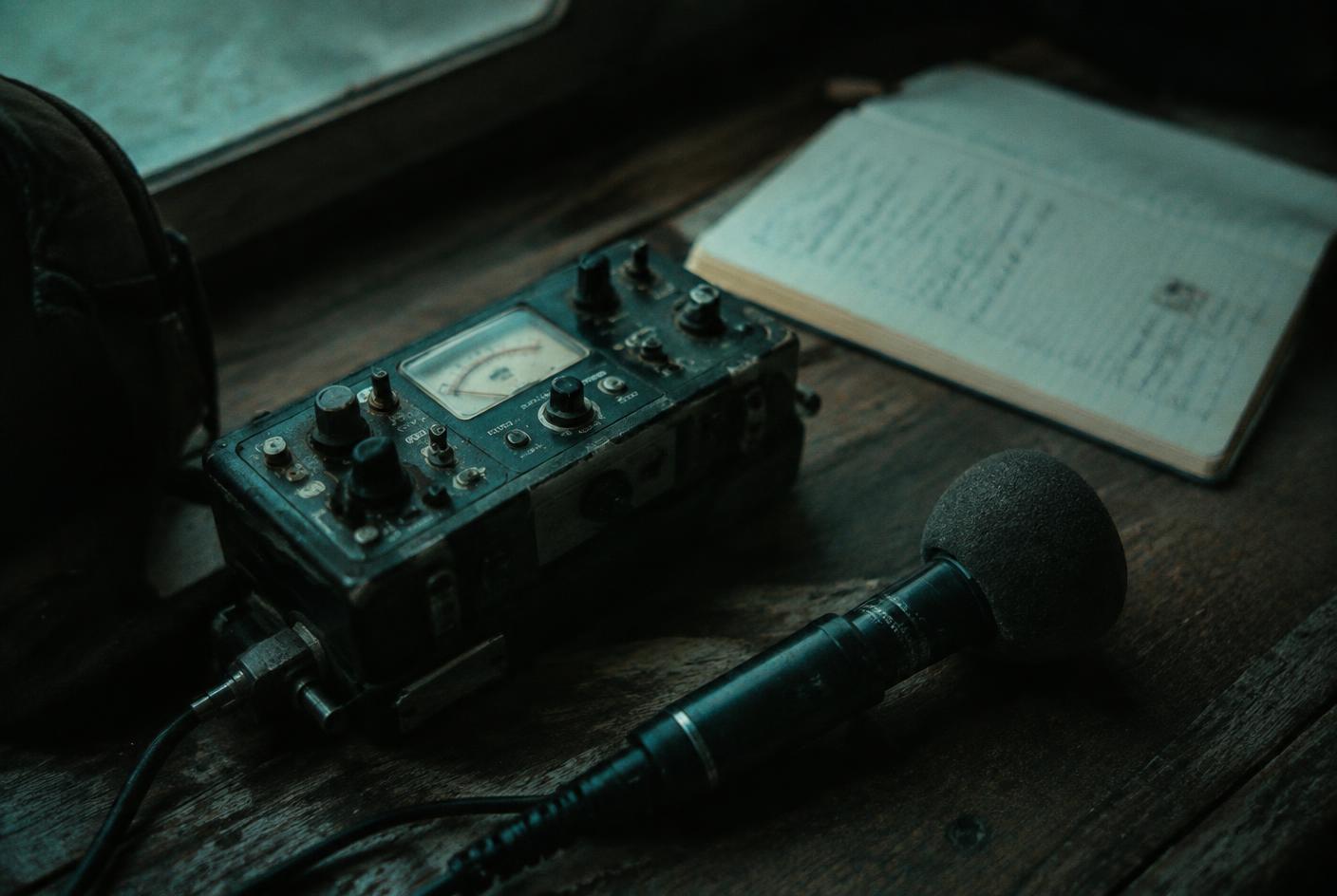
Why sound matters
Photographs tell you what a place looked like. Sound tells you what it was like to stand there — the distance of traffic, the pitch of a room, how much water was moving nearby. It is the sense we document least and lose most quietly.
Echo Atlas exists to hold a small number of those recordings carefully: each one mapped to its place, described in plain language, and set beside writing about why it is worth hearing twice.
How the archive is collected
Entries begin as places. A place is catalogued with its coordinates, its category and a description of what you would hear if you stood there. When an openly licensed field recording of that place exists, it is attached and credited. When it does not, the entry stays in the atlas marked as a recording still wanted.
That second group matters. An archive that only shows what it already has hides its own gaps.
Editorial principles
Audio is real or absent
Every player on this site either plays an actual recording or says plainly that the archive does not hold one. Nothing simulates playback.
No invented facts
The essays are reflective writing. We do not attach dates, statistics, interviews or historical events to them as if they were verified reporting.
Places, then claims
A place can be worth preserving without being formally endangered. We write “sounds worth preserving” rather than making claims we cannot source.
Credit where it is due
Recordings held here come from openly licensed field recordings, and each entry links back to its source.
Get in touch
Echo Atlas is an independent demonstration project. It has no organisational partners or external contributors — if you have a recording of a place you think belongs here, the archive would like to hear it.
hello@echoatlas.example